







General Info
Reception (10:00 – 23:00)
Check – In (13:00** – 23:59)
Late Check-In possible
Check – Out (until 11:00)
Breakfast a la Carte** (served 09:00 – 11:00)
Dinner a la Carte** (served 18:00 – 23:00)
Luggage Storage
Public WC**
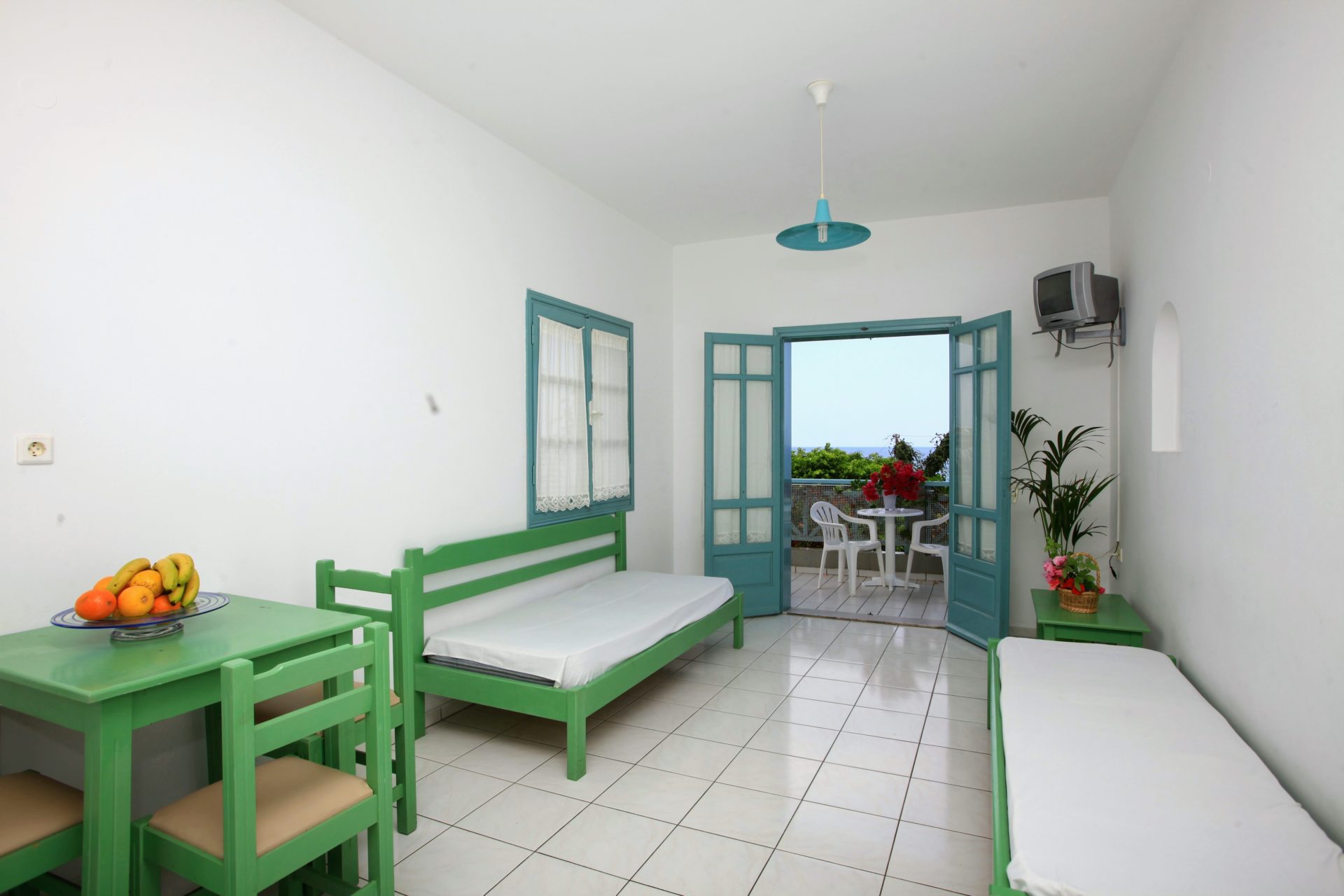
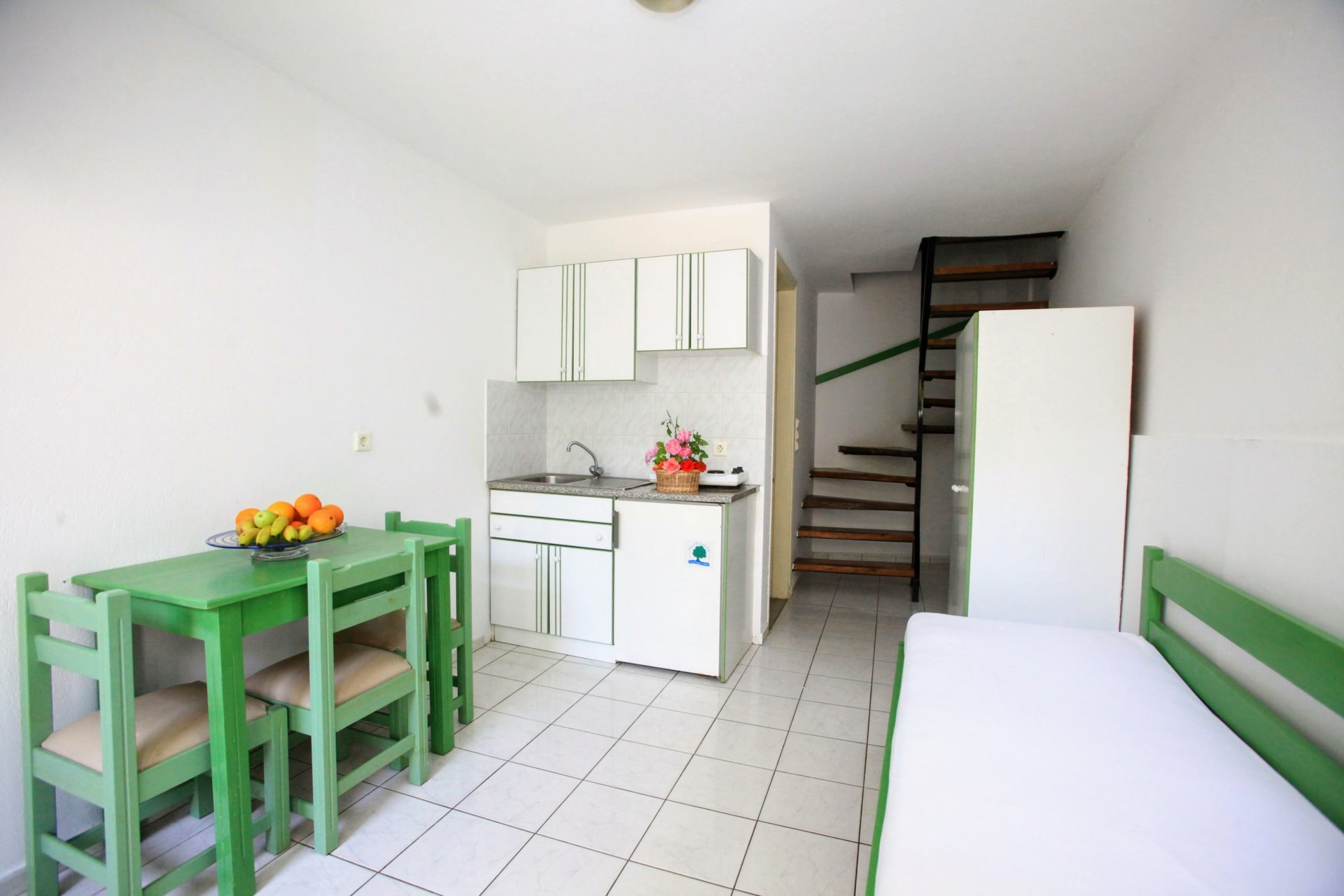
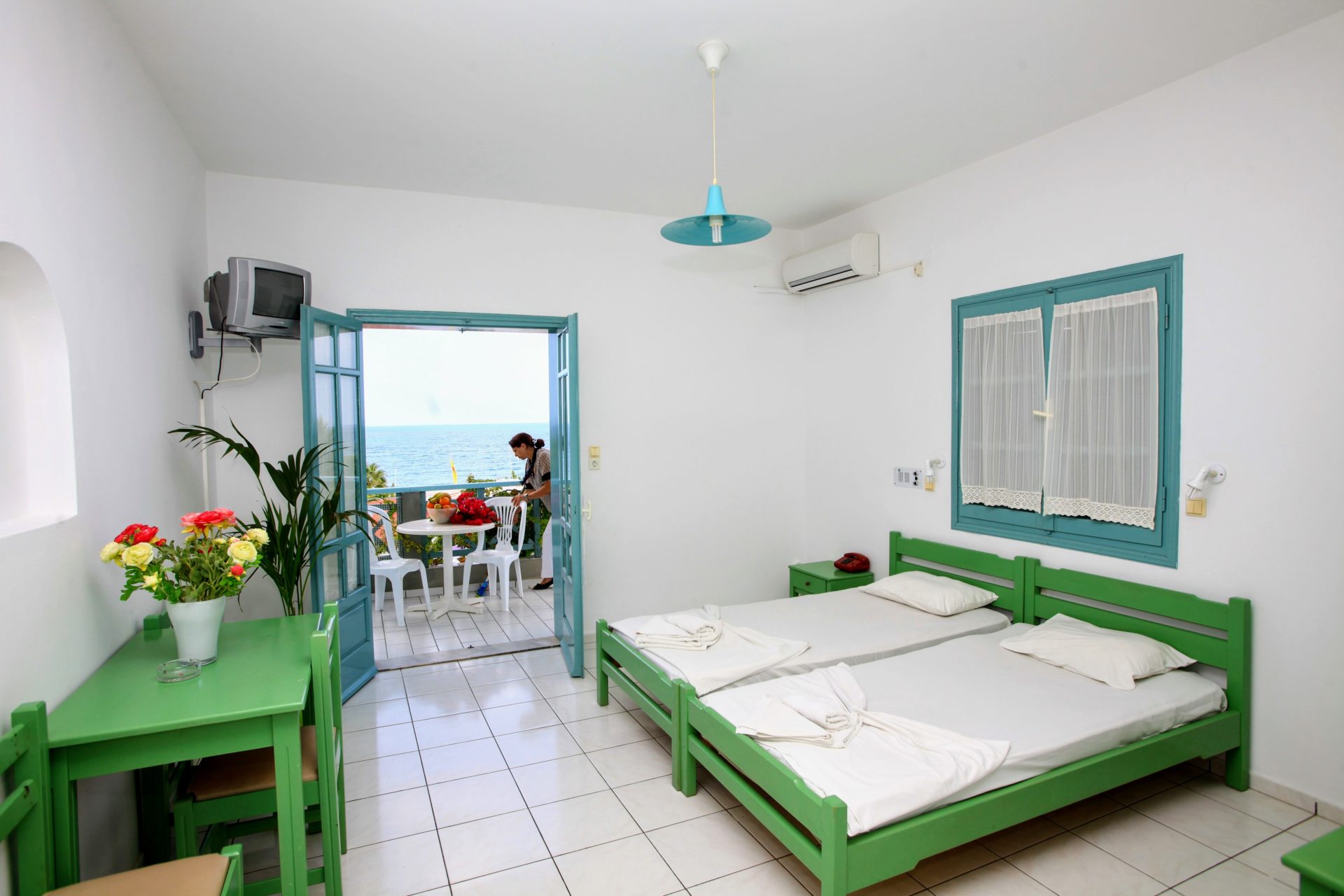
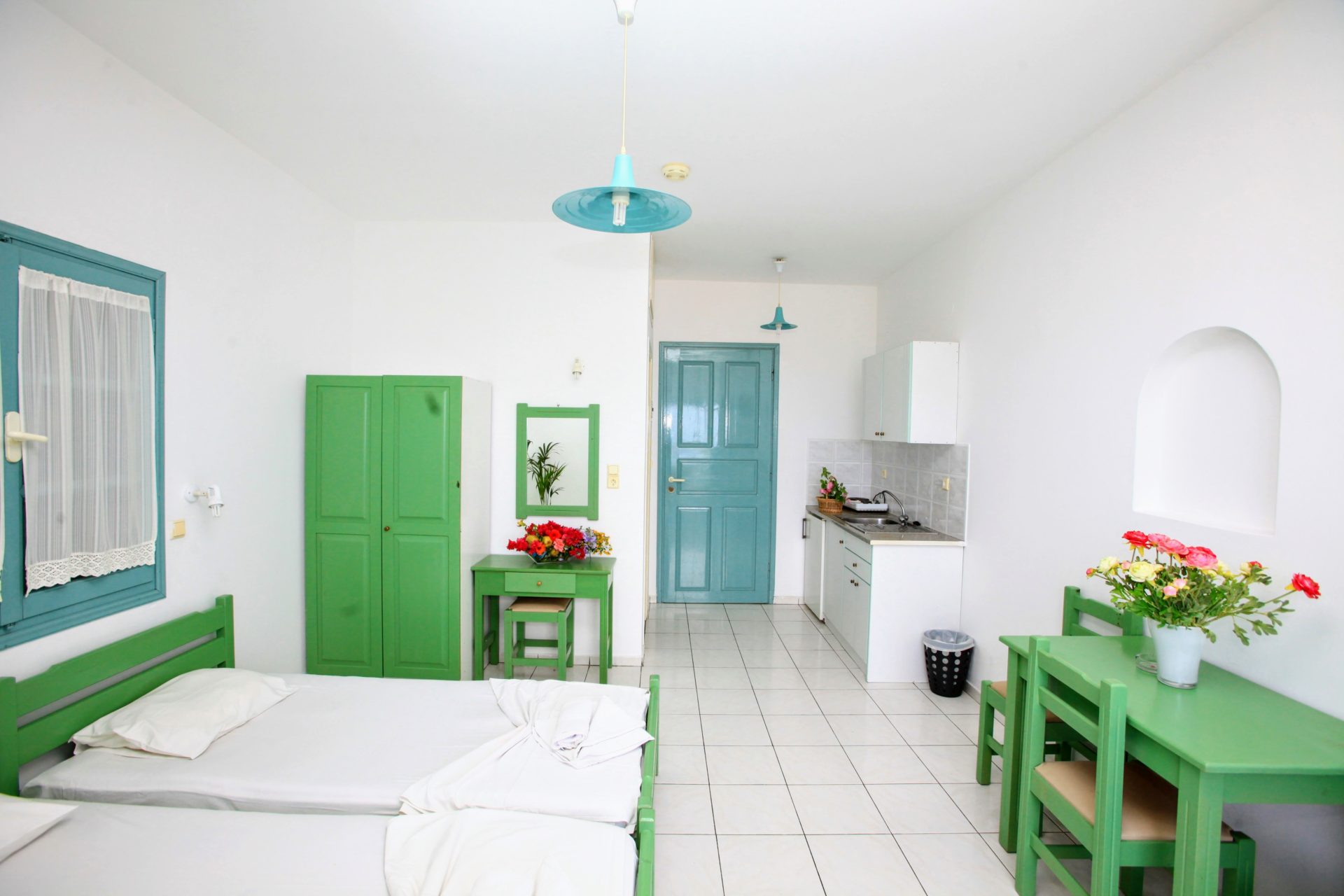
Non-smoking Rooms
Designated Smoking Areas
** Please check Covid-19 section for possible hour alterations or facility operation alterations.
Services (Charged)
Airport Transfer (One Way or Round Trip)
Car Rental
Bike Rental
Laundry Service
Ironing Service
Special Menu Request
ATM (Close to our Property)
Common Areas
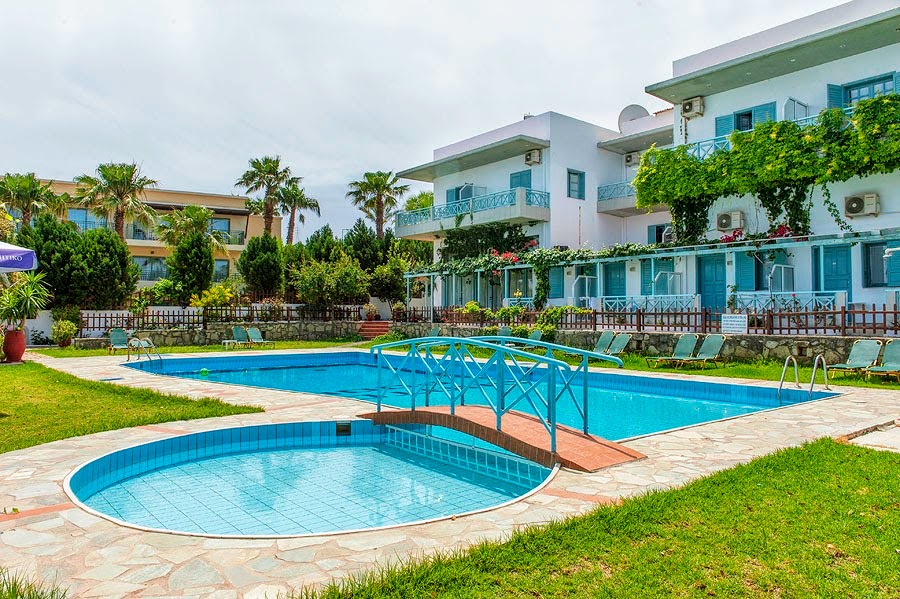
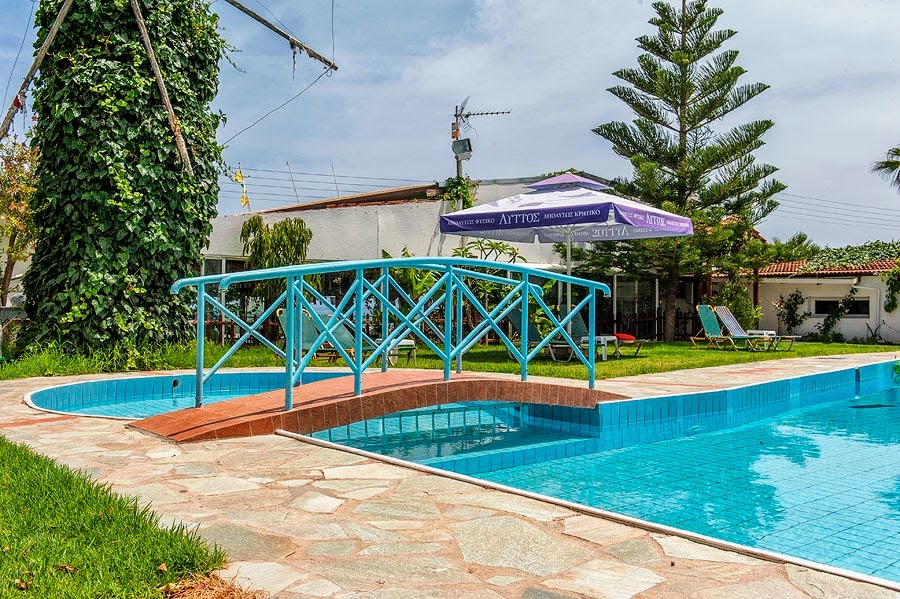
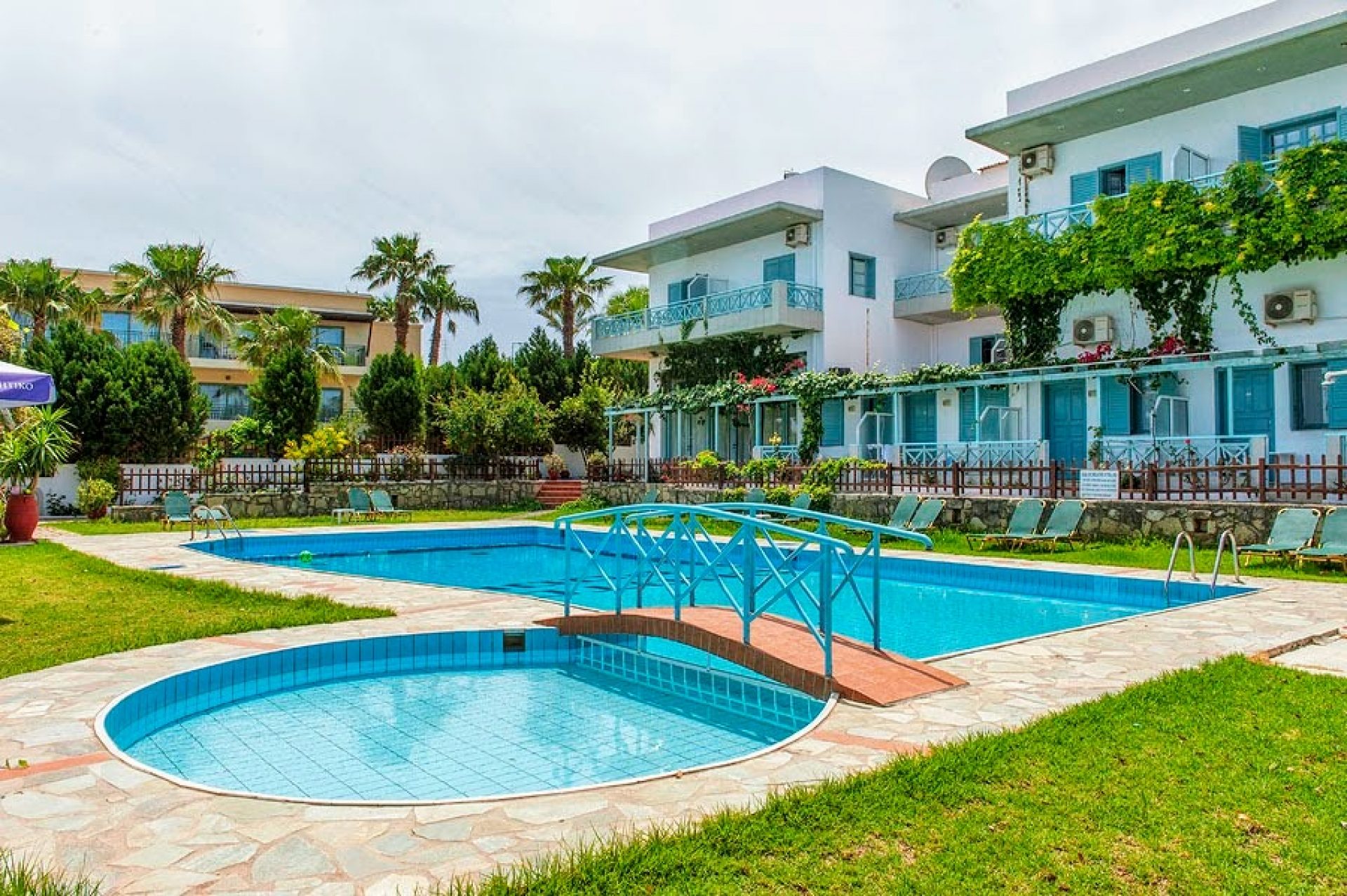
Swimming Pool (09:00 – 19:00) May – October
Children Pool (09:00 – 19:00) May – October
Sundeck
Sunbeds / Parasols
Garden Lawns
Food & Drinks
Snack / Pool Bar (10:00 – 23:00)
Restaurant (09:00 – 23:59) May – October
Internet
Free WiFi available in public areas
Parking
Free Private Parking off site
Pets
Pets are Allowed up to 5Kg (Upon Request)
Cleaning
Housekeeping (Daily)**
Towel Change (2 Times Per Week)**
Linen Change (2 Times Per Week)**
** Please check Covid-19 section for facility operation alterations.
Suitability
Family Friendly
Couples
Group of Friends
Safety
Health and safety protocol due to Covid-19
Antiseptic Gel in common areas and rooms
First Aid box applicable